 Capex
Capex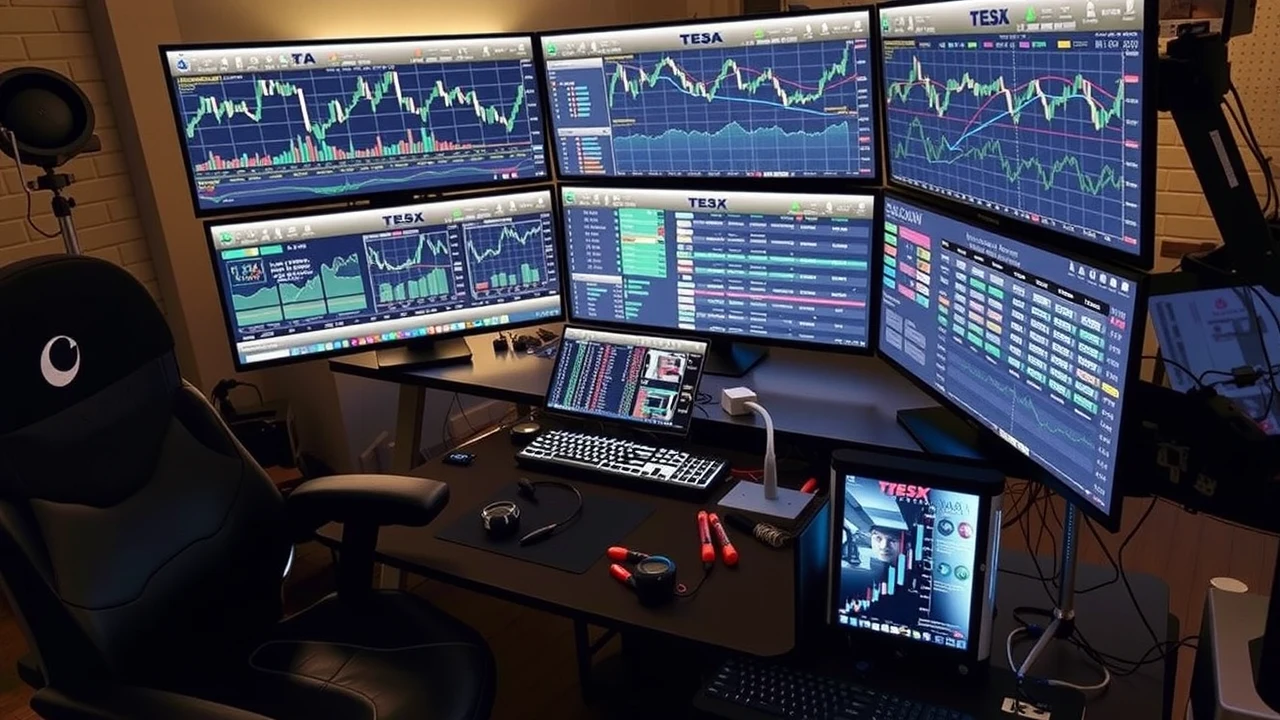
Capex lists MT5 next to its own CapexTrader WebTrader, so both options sit on the same account. The catch is that the CAPEX.com brand stopped accepting new clients after it merged into the NAGA Group in August 2024. A download link is one thing, an actually working account is another.
What MT5 Actually Gives You
MetaTrader 5 is the successor to MT4, and it is a genuinely different tool rather than a cosmetic upgrade. The charting runs on more timeframes, the order types go deeper than MT4, and there is a built-in economic calendar.
For a Kenyan trader on East Africa Time, the practical wins look like this:
- More timeframes, including the ones MT4 simply does not have
- A built-in economic calendar, no separate tab needed
- Depth of Market, useful on FX and CFDs when spread matters
- Strategy testing that handles multi-threaded optimisation
- One install covers desktop, web and mobile
If you have only ever used MT4, the switch is not painful. The layout feels familiar within an hour.
Download Steps and What to Expect
The download itself is a standard installer, whatever route you take. What matters more is where the download sits in your account journey.
| Step | What happens | Typical timing |
|---|---|---|
| 1. Pick the platform | MT5 chosen alongside CapexTrader | Instant |
| 2. Verify identity | ID, KRA PIN, proof of address | Same day to a few days |
| 3. Fund the account | Min USD 100 on Essential | Instant to 2 days |
| 4. Get login credentials | Server and account number issued | After funding clears |
Step one is where the friction lives right now. Capex onboarding for new Kenyan clients has been closed since the NAGA merger, with enquiries redirected to NAGA Markets. If you already hold a Capex account from before, MT5 access is a normal download and login. If you are brand new, expect to be routed elsewhere before you ever reach the installer.
Account Types and Cost Structure
Spreads and minimums differ by tier, and the gap between them is wide enough that it changes how you trade.
| Account | Minimum deposit | Spread starting point |
|---|---|---|
| Essential | USD 100 | From ~1.4 pips USD/CAD |
| Original | USD 1,000 | From 0.3 pips USD/CAD |
| Signature | USD 25,000 | From 0.3 pips USD/CAD |
The number that catches people out is the Essential spread. At roughly 1.4 pips on USD/CAD, a scalper running tight stops is paying a lot of freight. The Original tier is where the 0.3 pip pricing actually appears, and that needs USD 1,000 up front.
No commission applies on standard CFDs. Base currencies are USD and EUR, and no KES-denominated account was verified at review, which means a conversion cost sits quietly on top of every deposit and withdrawal.
The CMA Question, Answered Plainly
Is Capex regulated in Kenya?
No. Capex holds no CMA Kenya licence. Its offshore entity is KW Investments Ltd in Seychelles, under FSA licence SD020.
The Capital Markets Authority, which governs online forex in Kenya under the Capital Markets (Online Foreign Exchange Trading) Regulations 2017, has not authorised this firm to serve Kenyan residents. CMA-licensed brokers must hold KES 50 million in paid-up capital, segregate client funds, cap leverage and submit to audits. Offshore entities do not carry those obligations here.
You can check who holds a live CMA licence at licensees.cma.or.ke. Roughly ten non-dealing forex brokers were licensed as of our review, TPXM Global Kenya Limited among the more recent additions in September 2025.
Leverage and the Real Risk Math
Seychelles-entity leverage was historically advertised up to around 1:300. For new Kenyan clients this figure is not verified, because onboarding is closed.
For comparison, CMA-licensed brokers are capped at roughly 1:400 on major FX pairs for retail accounts. Offshore firms often advertise 1:1000 or higher, and that number deserves scepticism rather than excitement.
At high leverage, a small adverse move consumes your margin fast. A 0.3% swing against a 1:300 position eats most of the margin backing it. Leverage does not increase your edge, it increases how quickly a normal losing streak becomes a closed account.
Beginners should treat leverage as a setting to lower, not a feature to maximise.
Payments, M-Pesa and Currency
This is where Capex looks weakest for a Kenyan audience, and it is worth being direct about it.
Cards, bank wire and e-wallets are the listed funding routes. M-Pesa and local rails were not verified at review. That matters because M-Pesa is the dominant deposit channel in Kenya, alongside Airtel Money and T-Kash, and many brokers active here run KES accounts with instant, zero-fee local deposits.
With Capex you are looking at:
- Minimum USD 100 to open the Essential account
- USD or EUR account denomination, no KES option verified
- A conversion cost on every deposit and withdrawal
- No confirmed M-Pesa path, so bank wire or card is the realistic route
Bank wire from Kenya typically takes one to two business days and carries its own fees on both ends. For a trader depositing a few hundred dollars, that friction adds up.
What Kenyan Traders Actually Search
A few questions come up again and again once someone has the download running.
Does MT5 at Capex support Expert Advisors? Yes, MT5 runs EAs natively, unlike the web-based CapexTrader. If automation is your goal, MT5 is the version you want.
Can I trade indices and crypto CFDs on it? Yes. The instrument list runs 2,100-plus across FX, shares, ETFs, indices, commodities and crypto CFDs.
Is there a swap-free option? Yes, a swap-free account is available, relevant for the roughly 10 to 11 percent of Kenyans who are Muslim. It is not a mass-market requirement here, but it exists.
What about taxes on profits? The Kenya Revenue Authority treats forex and CFD profit as ordinary income for most retail traders, added to your taxable income and taxed on graduated bands from around 10 percent up to a 35 percent top marginal rate. Resident traders file annually between 1 January and 30 June and declare worldwide income, including foreign-sourced trading gains. Deductible costs include platform fees, internet and training.
Before You Download Anything
Downloading MT5 is the easy part. The harder question is which broker's MT5 you want to be logging into six months from now.
The criteria that actually predict a good outcome have little to do with the installer and everything to do with the firm behind it. Strong regulation at the level of the FCA, CySEC or ASIC. Segregated client funds, so your money sits apart from company money. Transparent fees you can calculate before you trade. A track record long enough to survive more than one market cycle. Support that answers when something breaks at 2am.
Those five things are what separate a broker you stay with from a broker you complain about. Everything else, including the platform, is replaceable.
Who this still works for
Capex MT5 is a capable platform attached to a firm whose Kenyan story has become complicated. Post-merger, the brand stopped taking new clients and points enquirers toward NAGA Markets. Existing account holders can still download and trade. Newcomers will hit a wall.
Choose it when you already hold a legacy Capex account, you are comfortable with a Seychelles-entity relationship, and you want MT5 specifically for automation or advanced charting that CapexTrader does not cover. The 2,100-instrument range and the MT5 EA support are genuine strengths for that group.
Reconsider when you are opening your first account, want M-Pesa funding without conversion drag, or need a licence that gives you somewhere to escalate if things go wrong. Traders in that position are usually better served by an international broker regulated at FCA, CySEC or ASIC level, with segregated funds and a clear fee sheet, even if the platform on offer is MT4 or a proprietary app. The platform matters less than the firm standing behind it.
Kenya is a relatively liberal environment for this, with no hard cap on funding a foreign broker and reporting thresholds only kicking in above USD 10,000 for FX purchases and USD 500,000 for investments abroad.

